Bin There, Done That: Why the Dollar Box Still Beats the Algorithm in 2026
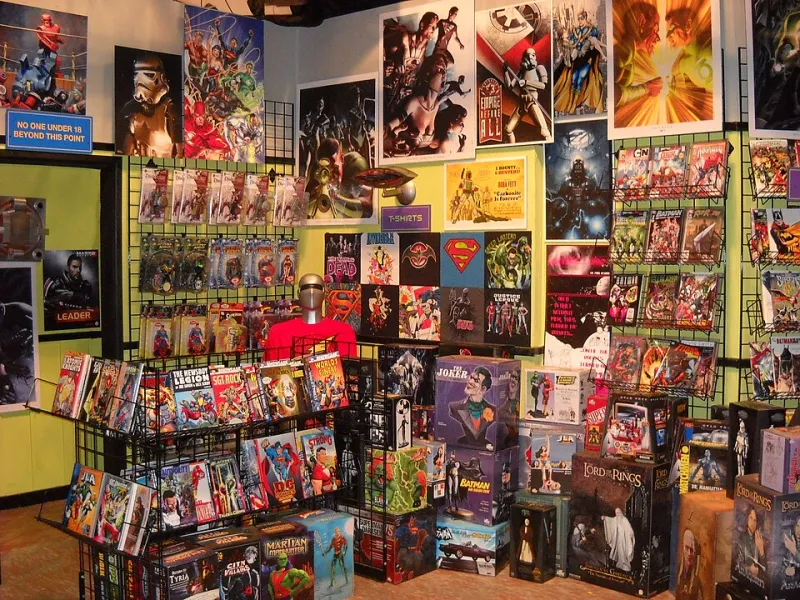
Photo: comic book dollar bin long boxes browsing comic shop, via wallpapers.com
The first comic I ever bought with my own money cost a dollar. The cover was held together by hope and a faint smear of something I choose to believe was soda. It was issue #14 of a series that had already been canceled. It was not a key. It was not an investment. It was, by every sensible measure, junk. I loved it so much I read it until the staples gave out.
In 2026, as new single issues creep toward the price of a fancy sandwich, I keep thinking about that dollar comic. The direct market has spent years inching upward on price, and readers feel it. A weekly pull list can start to look like a cable bill. Which is exactly why the dollar bin deserves a new reputation. It is not the clearance aisle of comics. It is the front door.
The math is not mathing, and that is the point
A new issue from a major publisher now sits somewhere around five or six bucks. A dollar bin gives you five or six comics for the same money. Are they all going to be good? No. Are they all going to be interesting? Almost certainly. That is the trade-off, and it is a great trade. You are not buying a guaranteed masterpiece. You are buying five chances to be surprised.
This is not an argument against new comics. New comics keep the lights on. But the dollar bin is where a lot of readers learn what they actually like, as opposed to what the internet tells them they should like. It is where you take a chance on a weird sci-fi book from 2009 because the cover has a robot on it. It is where you find the first work of a creator who now sells out conventions. It is where a kid discovers a superhero they have never heard of and does not care that the issue is thirty years old.
The algorithm cannot hand you a weird little miracle
Recommendation engines are good at giving you more of what you already bought. They are bad at giving you the comic you did not know you needed. The dollar bin is excellent at that. You do not scroll past a bin. You flip through it. Your hand touches paper. You see a logo you don’t recognize. You read a back-cover blurb that sounds like it was written by a very enthusiastic alien. You take a chance.
That kind of discovery is not efficient, and that is the whole point. The bin does not know your browsing history. It does not care that you mostly read superhero books. It will happily hand you a forgotten indie romance, a licensed cartoon tie-in, a black-and-white crime comic, and a manga volume with a missing dust jacket. Some of it will be bad. Some of it will be the best thing you read all month. The randomness is the feature.
How to mine a bin without becoming a goblin
First, ask when the shop restocks the bins. Some shops refill weekly. Some refill when a collection walks in the door. Knowing the schedule is half the battle.
Second, set a budget before you kneel down. The dollar bin has a way of turning into a twenty-dollar bin, then a forty-dollar bin, then a conversation with your partner about why there are six long boxes in the hallway. Bring cash if you can. Cash makes the budget feel real.
Third, check condition, but do not be precious about it. A dollar comic with a bent corner is still a dollar comic. If the cover is falling off, sure, leave it. If it has a tiny crease and the story is complete, buy it. You are not grading it for a museum. You are reading it.
Fourth, do not camp. Do not plant yourself in front of the bin for an hour while other people wait. Do not pull every issue out and leave a pile on the floor. Do not clean out a run just because it is cheap. Leave some for the next person. The bin is a community recycling program for joy.
What to look for besides the obvious
Everybody dreams of finding a key issue in a dollar bin. It happens, but it is not the point. The better finds are usually smaller. Look for early work by creators you like. Look for complete runs you can finish for twelve bucks. Look for all-ages books that are actually fun for adults. Look for weird licensed comics, promotional one-shots, anthology issues, and European albums that got one printing and disappeared. Look for a series that got canceled too soon and deserves a second life on your shelf.
A run you can finish for twelve dollars is often a better reading experience than a single key issue you cannot afford. The dollar bin rewards curiosity, not speculation. That is why it is still the most honest entry point in comics.
The shop is the point
Dollar bins are not just cheap comics. They are a conversation starter. They give shops a way to move inventory without throwing it away. They give new readers a low-stakes way to walk in and walk out with something. They give longtime readers a reason to flip through physical objects instead of scrolling past a recommendation queue.
The dollar bin is America’s best comic shop because it asks nothing of you but curiosity. It does not require a pull list. It does not require a budget spreadsheet. It does not require you to know what a variant cover is. It just asks you to kneel down, flip through some paper, and take a chance on something weird. In 2026, that might be the most valuable thing in the store.
My dollar-bin rules
Bring cash. Ask when they restock. Buy one weird thing you cannot explain. Leave the run for someone else if you are not going to read it. Bag and board the ones you love. And when you find something great, tell the shop. They will remember that you are not just a person who kneels by the bin. You are a person who reads.